‘Black Twitter’: The Debates Never Stop – Nala's Song and the Colorism Conversation
- Kanika Phillip
- Jan 10, 2025
- 3 min read

By Kanika Phillip
X formerly known as Twitter, has increasingly become a platform for debates, and recently, on ‘Black Twitter’, Raper Krept's Nala's Song sparked a discourse about colourism. A snippet of the music video was shared, and the response was immediate. The video snippet predominantly featured light-skinned children, which led to accusations that the men in the video preferred light-skinned Black, mixed-race, or white women over dark-skinned Black women. Ironically the full video did feature several dark skin children, but they just never made the cut. This controversy ignited a broader conversation on the app about the ongoing issue of colourism within the Black community.
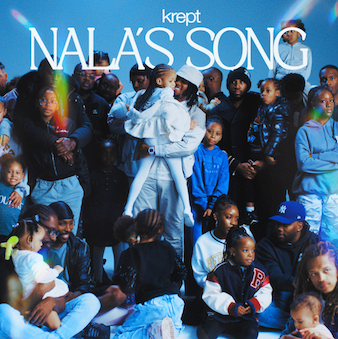
Many were outraged, believing that people were unfairly targeting the children's skin tones, which they felt was misdirected. Historically, lighter-skinned Black adults have often been favoured over their darker counterparts, and this bias is still prevalent today. A recent study on the "dark skin penalty" revealed how this bias continues to shape our society, showing that colourism significantly impacts mental health and well-being. Those affected often struggle with negative body image and lower self-esteem. For example, darker-skinned individuals—especially women—are more likely to face discrimination in both social and professional contexts, perpetuating a cycle of inequality.
Clearly, colourism is a significant issue in the UK, and it’s time to address it.
To understand the deep roots of colourism, we can look to Deep South: A Social Anthropological Study of Caste and Class by Allison Davis Sr, Burleigh B. Gardner, and Mary R. Gardner. Allison Davis Sr. demonstrated how colourism, rooted in the legacy of slavery and systemic racism, operates within Black communities. He examined how lighter skin tones often received preferential treatment, creating divisions that reinforced societal hierarchies. These internal dynamics reflected and sustained broader systems of racial oppression. Davis’s work challenges us to confront these biases and their impact on collective progress. By doing so, he offered a framework to address and dismantle the lingering effects of colourism.

The book offers real accounts from both Black and white people, detailing how lighter-skinned Black people were often favoured. One particularly disturbing account involves a Black man who had been "passing" as white while working a ‘white’ job. When his true identity was revealed, a fellow white worker hit him over the head and threw him overboard into the sea, making it appear as an accidental drowning.
What’s chilling is that when the incident was first reported in the newspaper, the victim was assumed to be white. Only when his race was revealed did the story shift from the front page to an inside page, essentially being swept under the rug. This is a powerful example of how colourism has been—and still is—overlooked or minimized. It shows just how deeply ingrained these biases are in society and how they continue to shape people's lives. A bit like how the videographer who created the snippet for Nala’s Song arguably chose to depict majority light skinned children in the snippet, when indeed there were dark skin children present.

Back to the X debate - Although the discourse was jumbled, with many people misunderstanding it—there is still a valid conversation to be had. Dark-skinned men do date dark-skinned women, just as light-skinned and mixed-race men do. The issue, however, is that these relationships are often underrepresented or overlooked, especially when mainstream media tends to highlight Black men with white women or dark-skinned men with lighter-skinned or mixed-race women, particularly those with curly hair. These pairings dominate TV shows, music videos, and social media, which shapes the narrative around Black love.
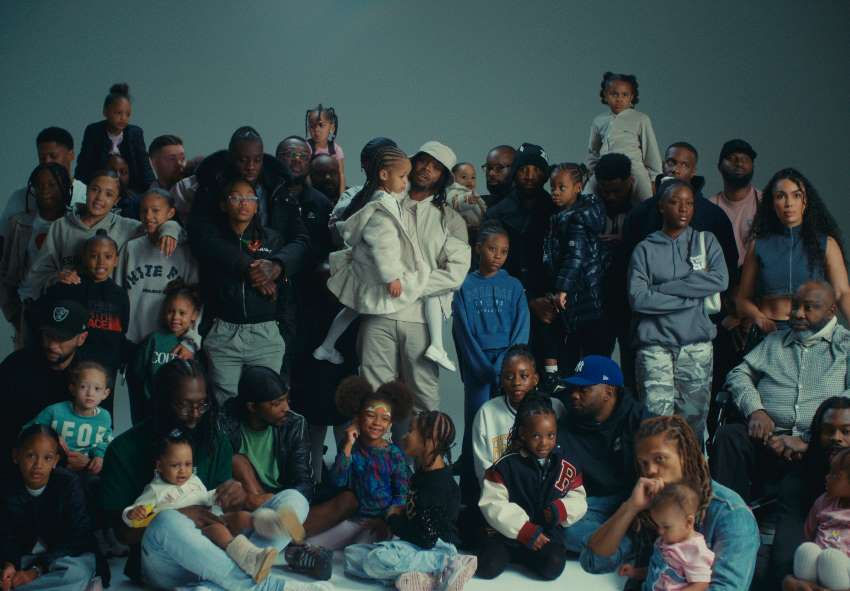
This type of representation plays a major role in perpetuating colourism. When we constantly see these relationships, it subtly reinforces the idea that lighter skin—whether on women or men—is more desirable, and that dark-skinned individuals are somehow less appealing. This is why the ongoing conversation about colourism is so crucial. It forces us to confront the biases embedded in how we view ourselves and others. For instance, in ads for Black families—why do they almost always feature mixed-race children with dark-skinned fathers? Families come in all shapes and sizes, and it would be refreshing to see more diverse representation, like for example an Indo and Black Caribbean family, we never see that on TV!

While colourism remains a pervasive issue, it’s not insurmountable. The key is education and awareness. We need to have open and honest conversations about colourism, particularly with younger generations. When they understand the harm caused by these biases and the historical roots of colourism, they can navigate beauty standards and relationships without falling into outdated and harmful stereotypes. In this way, we can take meaningful steps toward dismantling prejudices.
The focus on light-skinned children in the Nala's Song video and the backlash it triggered underscore how deep these biases run. While many misunderstood the original debate, it’s clear that colourism continues to impact the lives of Black people.


Comments